9+ curated guides • Updated November 2025
You've seen it happen. The perfect-looking spinach dip is set on the table, but within twenty minutes, a sad, watery pool begins to form around the edges. This isn't a failure of ingredients; it's a failure of physics. Forget every spinach dip recipe you've known—this one is engineered to solve that one critical flaw. The culprit is latent moisture trapped within the spinach's cellular structure, a saboteur that standard squeezing methods fail to defeat. This article will not give you a list of fancy cheeses or esoteric spices. Instead, it will provide a systematic, multi-stage process for total water extraction, transforming spinach from a liability into a stable, flavor-dense asset. We are not just making a dip; we are building a stable emulsion.
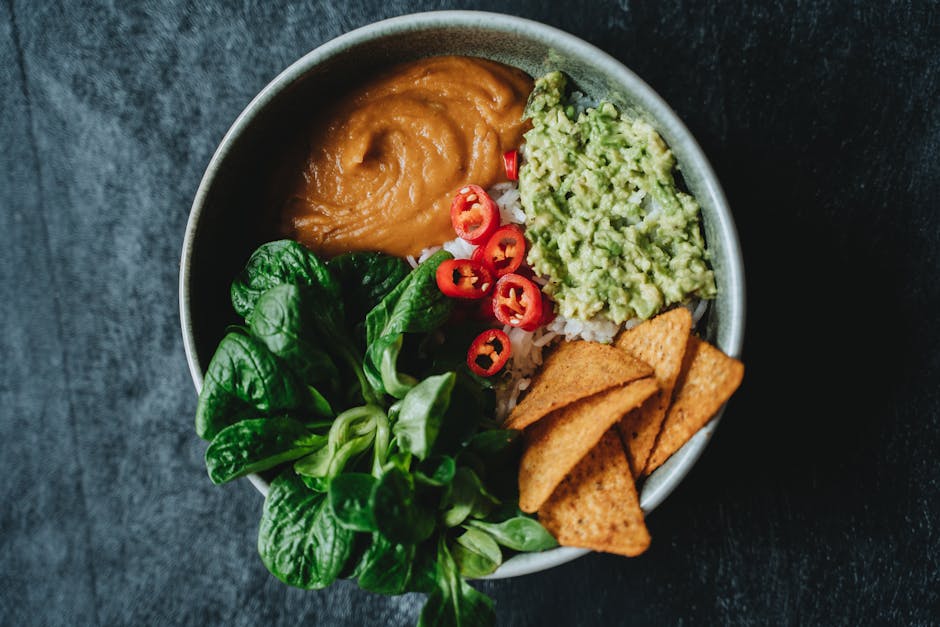
It’s 5 PM. The question ‘What’s for dinner?’ feels less like a simple query and more like a final, impossible boss battle. Most 'easy' recipes don't account for the real problem: you're not just short on time, you're short on mental, physical, and emotional energy. Forget 30-minute meals; let's talk about the 2-spoon dinner. After years of burning out in pursuit of the perfect weeknight meal, I threw out the rulebook and created a new system based on the only metric that matters: my actual capacity to function. This is the Dinner Energy Scale, a pragmatic approach to feeding yourself when you're running on empty. It’s not about aspirational cooking; it’s about compassionate survival.
You've seen the shocking headlines about AI fakes targeting celebrities and likely dismissed it as a distant, bizarre Hollywood problem. But the same technology is now accessible to anyone, and the photos you share online are the raw material. This is no longer just about protecting stars; it's about building a digital fortress to protect yourself. The tools that generate these hyper-realistic forgeries have been democratized. What once required a Hollywood VFX budget now runs on a consumer-grade laptop. The barrier to entry for creating malicious, reputation-destroying content has collapsed. Every photo you've ever posted—your vacation pictures, your professional headshot, your social media profile images—is a potential data point for an AI model designed to exploit your likeness. This article is not about fear; it's about control. It's time to move from being a passive data source to an active defender of your own digital identity.
We see them on magazine covers and in blockbuster films, seemingly born for the spotlight. But before the fame and fortune, many of today's biggest stars had résumés that looked surprisingly like our own, filled with fast-food gigs, manual labor, and downright weird side hustles. As a pop-culture historian, these aren't just trivia-night facts to me; they are the origin stories of our modern myths. They are the gritty, unglamorous first chapters that make the eventual triumph so much more compelling. This is where the real story begins—not under the klieg lights, but under the fluorescent hum of a fast-food kitchen or in the claustrophobic confines of a mascot costume.
Celebrity Cruises sells a dream where drinks, Wi-Fi, and tips are all included for one simple price. We bought into that dream, only to find our final bill was over a thousand dollars higher than expected. This isn't a typical review of the food or shows; this is a financial autopsy of what 'all-included' really means at sea. We'll meticulously dissect the charges, expose the psychological traps designed to make you spend, and give you the actionable strategies needed to protect your wallet from the siren song of the upsell.
You've chosen the perfect suit and a crisp shirt for your big meeting, but you pause at your tie rack. You probably think the choice is purely about color and pattern, but the knot you tie sends a message long before you say a word. From the confident bulk of a Full Windsor to the relaxed asymmetry of a Four-in-Hand, your tie is a subtle signal of your personality and intent—and this guide will teach you how to speak its language. As an image consultant, I've seen countless professionals undermine their presence by choosing a knot that clashes with their objective. They deliver a powerful presentation, but their tie whispers uncertainty. This article is not about fashion; it's about strategic communication. We will dissect the most common knots and decode the silent messages they broadcast, empowering you to align your appearance with your ambition.
Long before a celebrity's DMs were flooded with emojis, their mailboxes were overflowing with secrets, confessions, and tangible pieces of their fans' lives. This isn't just about letters; it's about a lost form of connection that held a power and intimacy modern fan culture can only dream of. As a historian of fame's forgotten artifacts, I've spent years sifting through these paper trails, and they represent far more than simple adoration. They are time capsules of societal hopes, anxieties, and the very mechanics of how we once manufactured gods from mortals. Each stamped envelope, each carefully chosen sheet of stationery, was a vote of confidence, a plea for help, or a piece of unsolicited advice delivered with an effort that a modern 'like' or 'follow' simply cannot replicate. This physical correspondence was the original social media—slower, more deliberate, and infinitely more revealing.
You know the tradition: fourth finger, left hand, a direct line to the heart. But look around. Notice the surgeon who wears their ring on a necklace, the widow who has moved it to her right hand, or the creative who stacks it on their index finger. A wedding ring's placement is more than just a custom; it's a dynamic, personal story told without a single word. This simple metal band has evolved from a static symbol of ownership into a fluid, expressive piece of our personal grammar. As a cultural anthropologist, I've observed that we are in the midst of a fascinating ritualistic shift. We are no longer just wearing rings; we are using them to broadcast nuanced messages about our identity, our professions, and the very nature of our partnerships. This article is your guide to reading this silent language.
Most 'easy meal' recipes make a promise they can't keep, assuming a baseline of energy you simply don't have. It’s time to stop feeling guilty about your choices and start cooking based on your actual capacity. Forget '30-minute meals' and discover the power of the 3-level energy menu, designed for the days you can barely stand to the days you feel almost human. This isn't about being lazy; it's about being strategic. In burnout recovery, your energy is a precious, non-renewable resource. Spending it all on a complicated 'quick' meal is a recipe for deeper fatigue. The Spoon Theory Kitchen honors your limits and provides a framework for nourishment, no matter how depleted you feel. We'll explore three distinct tiers of meals, categorized not by minutes, but by the mental and physical 'spoons' you have available.